Overview
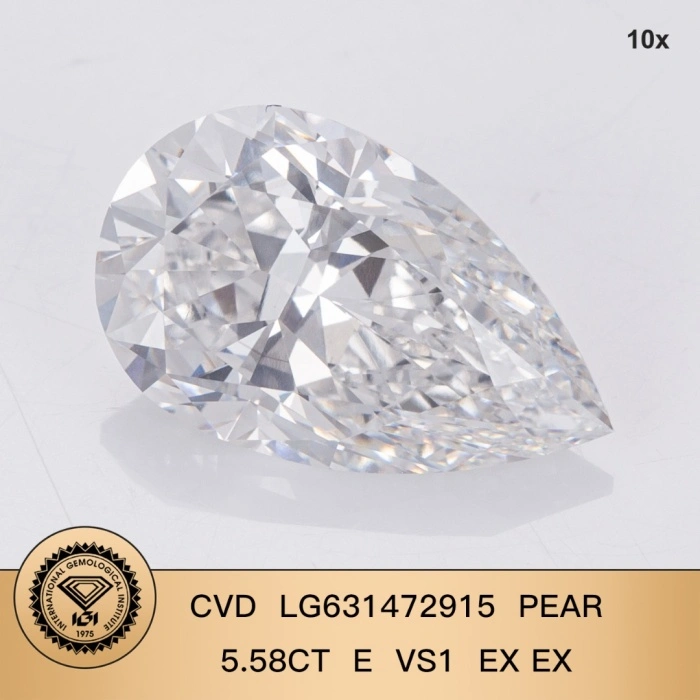
IGI lab-grown diamonds are diamonds produced in a controlled laboratory environment and evaluated by the International Gemological Institute. They are available in multiple shapes, dimensions, carat weights, colors, and clarity grades for use in finished jewelry and loose-diamond sourcing programs.
For jewelry brands, wholesalers, retailers, and private-label manufacturers, an independent grading report provides standardized information that can support product development, procurement, inventory control, and retail communication.
What Does IGI Mean for a Diamond?
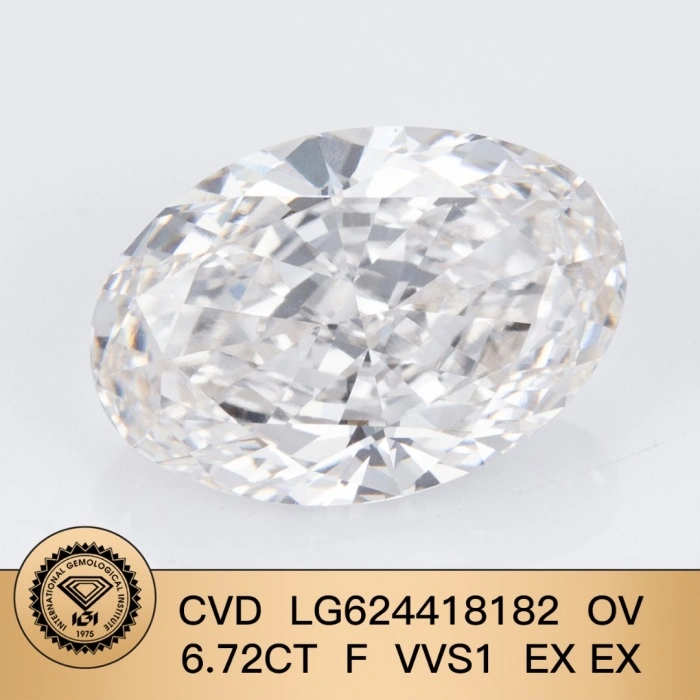
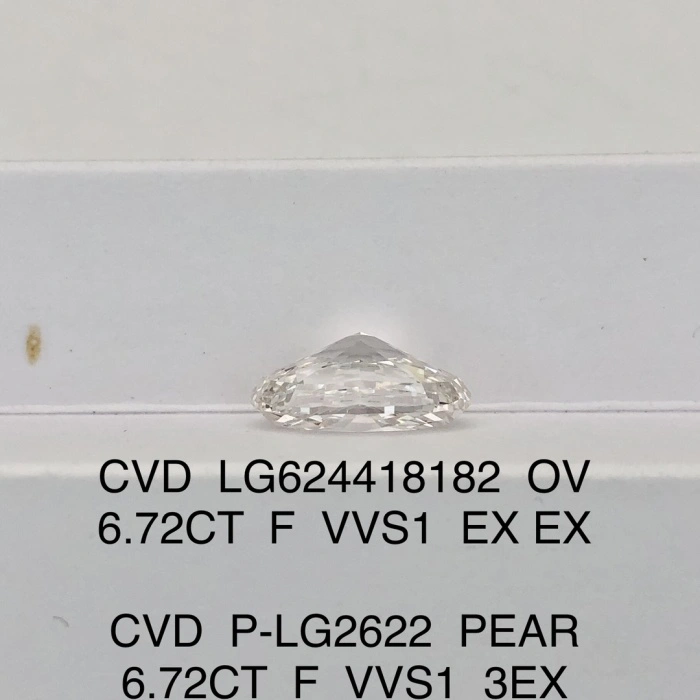
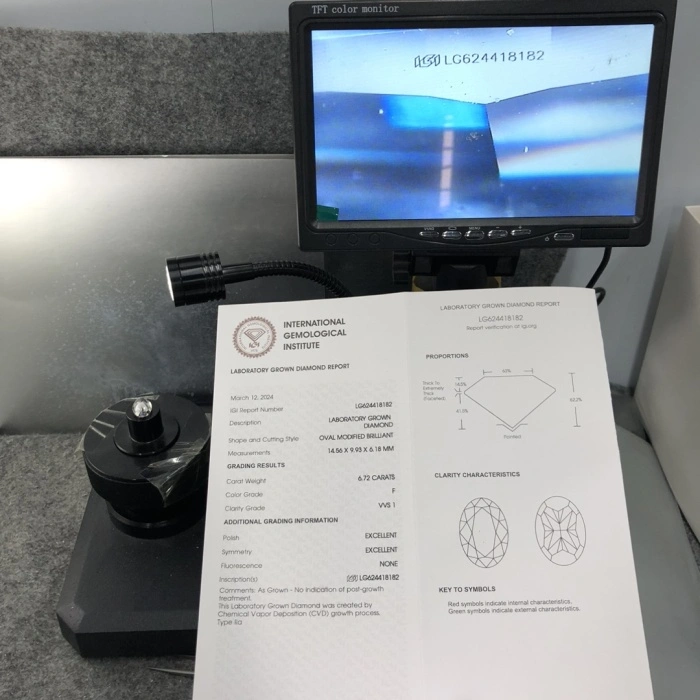
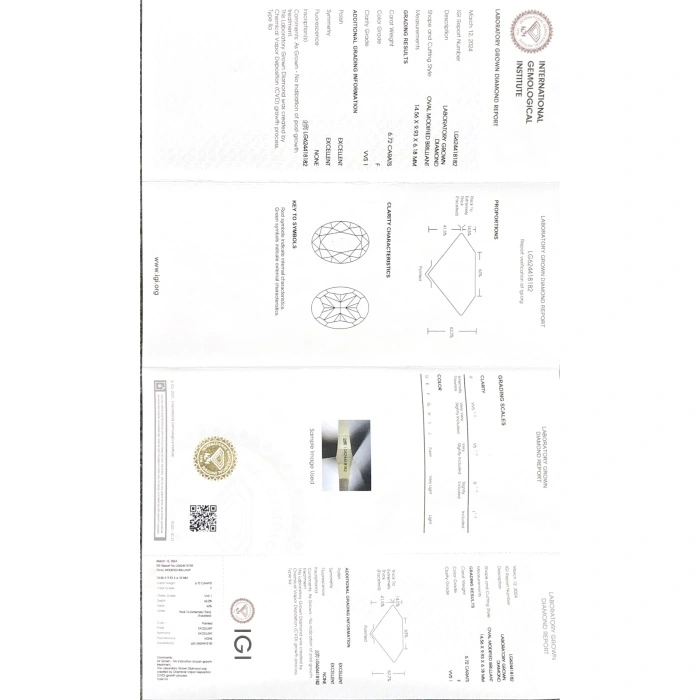
IGI stands for the International Gemological Institute, an independent gemological organization that evaluates diamonds and other gemstones. An IGI report records the results of the institute’s examination of the submitted stone.
Depending on the diamond and report type, the documentation may include:
- Diamond origin identification
- Carat weight
- Measurements and proportions
- Color grade
- Clarity grade
- Cut grade, where applicable
- Polish and symmetry
- Fluorescence
- Comments and identifying information
An IGI report documents the characteristics of the examined diamond. It does not represent a guarantee of future market value or resale price.
How Lab-Grown Diamonds Are Produced
Lab-grown diamonds are primarily produced using two technologies: High-Pressure High-Temperature and Chemical Vapor Deposition.
High-Pressure High-Temperature Diamonds
The HPHT process uses high pressure and high temperature to create conditions suitable for diamond crystal growth. The process can be used to grow diamonds in different sizes and quality ranges.
Chemical Vapor Deposition Diamonds
The CVD process grows a diamond crystal in a controlled chamber using carbon-containing gases. CVD diamonds are widely used in loose-diamond supply and finished fine-jewelry manufacturing.
Both CVD and HPHT diamonds have the same essential chemical composition, crystal structure, hardness, and optical properties as mined diamonds. Their primary difference is their growth origin.
Key Features
| Feature | Description |
|---|---|
| Diamond Origin | Produced in a Controlled Laboratory Environment |
| Growth Methods | CVD or HPHT |
| Material Properties | Diamond Crystal Structure with a Mohs Hardness of 10 |
| Shapes | Round, Oval, Pear, Emerald, Radiant, Cushion, Princess, Marquise, Asscher, Heart, and Custom Shapes |
| Carat Weight | Multiple Sizes Available According to Project Requirements |
| Color and Clarity | Multiple Grading Ranges Available |
| Grading Documentation | IGI Reports Available for Qualified Stones |
| Laser Inscription | Available According to the Selected Stone and Grading Service |
| Supply Format | Loose Diamonds or Finished Jewelry |
Benefits for Jewelry Buyers
Standardized Product Information
Independent grading provides a consistent framework for communicating diamond specifications between suppliers, manufacturers, distributors, retailers, and customers.
Flexible Collection Development
Buyers can select different combinations of shape, size, color, clarity, and growth method to create collections for different price points and market segments.
Loose-Stone and Finished-Jewelry Supply
Lab-grown diamonds can be supplied as loose stones, calibrated matching sets, matched pairs, or components of finished OEM and ODM jewelry.
Private-Label Manufacturing
IGI-graded stones can be incorporated into customized settings with buyer-defined metal specifications, stone layouts, engraving, packaging, and branding requirements.
Documented Inventory Management
Report numbers and related stone data can support inventory identification, production tracking, sample approval, order records, and after-sales verification.
Factors Affecting IGI Lab-Grown Diamond Prices
The price of an IGI-graded lab-grown diamond is influenced by multiple factors rather than certification alone. These factors may include:
- Carat weight and physical dimensions
- Diamond shape
- Color and clarity grades
- Cut quality and proportions
- Polish and symmetry
- CVD or HPHT growth method
- Post-growth treatment, where applicable
- Matching requirements for pairs or multi-stone layouts
- Grading-report and inscription requirements
- Order quantity and current market availability
Buyers should compare diamonds using complete specifications rather than carat weight alone. Two diamonds of the same weight may have different dimensions, proportions, visual performance, and prices.
Jewelry Applications
- Engagement rings
- Wedding and anniversary bands
- Solitaire and multi-stone rings
- Stud and drop earrings
- Pendants and necklaces
- Tennis bracelets and tennis necklaces
- Bridal jewelry collections
- Private-label fine-jewelry programs
Information Required for Sourcing
Buyers should provide the following information when requesting a quotation:
- Required diamond shape
- Carat weight or millimeter dimensions
- Color and clarity range
- Cut, polish, and symmetry requirements
- Preferred CVD or HPHT method, if required
- Matching tolerances for pairs or sets
- IGI report requirements
- Laser-inscription requirements
- Loose-stone or finished-jewelry requirements
- Order quantity and target delivery date
Environmental and Sourcing Considerations
Lab-grown diamonds avoid the physical extraction of diamond-bearing material from a mine. However, their overall environmental impact can vary according to the production technology, energy source, facility efficiency, and supply-chain practices.
Buyers with specific environmental, energy, origin, or social-compliance requirements should request supporting documentation from the supplier and evaluate each sourcing program individually.
Frequently Asked Questions
Are IGI-graded lab-grown diamonds real diamonds?
Yes. Lab-grown diamonds have the same essential chemical composition, crystal structure, hardness, and optical properties as mined diamonds. Their laboratory-grown origin is identified in the grading documentation.
What is the difference between a lab-grown diamond and a mined diamond?
The primary difference is origin. A mined diamond forms naturally underground, while a lab-grown diamond is produced using CVD or HPHT technology in a controlled environment.
Does an IGI report determine the selling price?
No. The report documents the assessed characteristics of the diamond. Market price is determined by factors such as size, quality, shape, proportions, supply, demand, order quantity, and current market conditions.
Are IGI grading reports included with every diamond?
No. Reports are not automatically included with every stone. Buyers must specify which diamonds require grading documentation before confirming the order.
Can IGI-graded diamonds be supplied in different shapes and sizes?
Yes. Depending on availability, they can be supplied in round, oval, pear, emerald, radiant, cushion, princess, marquise, Asscher, heart, and other shapes across multiple carat-weight ranges.
Can matched pairs and calibrated sets be supplied?
Yes. Matching can be performed according to dimensions, proportions, color, clarity, and other approved tolerances. Requirements should be documented before sourcing begins.
Does every IGI-graded diamond have a laser inscription?
Not necessarily. Laser-inscription availability depends on the selected stone and grading service. Buyers should confirm this requirement before ordering.
Can these diamonds be used for OEM and private-label jewelry?
Yes. IGI-graded lab-grown diamonds can be used in customized OEM, ODM, wholesale, and private-label jewelry programs.
Specification Notice
Diamond availability, grading details, report format, laser inscription, matching tolerances, price, and delivery time are based on the approved order specification. All certification and identification requirements should be confirmed before production or shipment.